

Solar Panels Producing Less Power Than Normal
If your solar panels are still producing electricity but the numbers are consistently lower than they used to be, the system may be experiencing normal environmental variation—or it may be underperforming. The difference usually becomes clearer when you compare the system against its own history rather than against one unusually productive day or the equipment’s nameplate rating.
For most homeowners, the best first step is to look for a pattern. Has production declined only during cloudy weather or a different season? Is the drop happening at the same time every day? Did it begin after a storm, roof work, an internet change, or an inverter alert? Is the entire system producing less, or only one part of the array?
Infinity Solar Solutions works on existing residential solar systems in Virginia Beach and throughout Hampton Roads, including solar system repairs and electrical services. When lower production cannot be explained by normal conditions, the goal should be to identify the cause before deciding that the panels—or the entire system—need replacement.
What Does “Less Power Than Normal” Actually Mean?
“Normal” should mean the production your system can reasonably deliver under comparable conditions. Solar modules are rated under standardized test conditions, while a rooftop system operates through changing sunlight, temperature, cloud cover, seasons, shading, and electrical conditions. A system therefore should not be expected to reach its rated capacity continuously.
The U.S. Department of Energy evaluates photovoltaic performance by comparing measured production with expected production that accounts for system characteristics and environmental conditions. For a homeowner, the practical version of that approach is to compare like with like: similar seasons, similar weather, and the same system over time.
A single low day is usually weak evidence of a fault. A persistent reduction under comparable conditions is more meaningful. If a system that historically produced at one level during clear spring or summer conditions now remains materially below that pattern, it is reasonable to investigate why.
Start With the Pattern of the Production Loss
How production changed can narrow the possibilities. A sudden system-wide drop suggests a different problem than a slow decline over several years. A repeatable dip during the same hours can point toward changing shade. One module or group that consistently trails neighboring modules can suggest a localized issue. Missing data may indicate a monitoring problem rather than an energy-production problem.
This is where monitoring history becomes valuable. Instead of asking only, “How much did my system make today?” look at when the change began, whether it is continuous or intermittent, and whether it affects the whole array or only part of it.
That pattern does not replace diagnostics, but it gives a technician better evidence and helps avoid treating every production problem as a failed solar panel.
Weather and Seasonal Changes Can Lower Output Without a System Failure
Cloud cover, shorter days, changing sun angles, rain, haze, and seasonal weather can all reduce the solar energy available to an array. Winter production should not be expected to match summer production, and two days that look similarly bright from the ground can still provide different solar conditions.
Temperature can also be counterintuitive. DOE notes that solar cells generally perform more efficiently at lower temperatures; as cell temperature rises, voltage falls. Strong sunlight is important, but a very hot sunny afternoon is not automatically the condition in which a module operates most efficiently.
If lower production appears only during a different season or a stretch of poor weather and returns when conditions improve, the system may be behaving normally. If the lower output persists through comparable clear-weather conditions, environmental variation becomes a less complete explanation.
Changing Shade Can Reduce Production Over Time
Trees grow. Landscaping changes. New construction, additions, chimneys, antennas, or other obstructions can alter how sunlight reaches an array years after installation. A system can therefore lose production even though none of its solar equipment has failed.
The effect of partial shade depends on when it occurs, how much of the array it affects, and how the system is designed. If production repeatedly falls during the same part of the day, look from the ground for changes in the surrounding property. If panel-level monitoring is available, persistent underperformance from the same module or group can provide another clue.
Shading should be evaluated as one possible cause, not assumed from a single low reading. The useful question is whether the shade pattern has changed enough to explain the production pattern you are seeing.
Dirt, Pollen, and Debris Can Matter—But Cleaning Is Not a Universal Fix
Soiling can reduce photovoltaic output because material on the module surface blocks, reflects, or scatters some of the sunlight that would otherwise reach the solar cells. National laboratory research shows that soiling losses vary substantially by location, weather, rainfall, panel tilt, and the type of contamination present.
In Hampton Roads, homeowners may notice pollen, leaves, bird debris, dust, or other buildup. Visible debris can justify further evaluation, but it does not tell you how much energy is being lost or prove that cleaning is the main problem.
This distinction is important. Cleaning cannot correct an inverter fault, failed optimizer or microinverter, damaged wiring, lost communications, or another electrical problem. If the decline is substantial, sudden, or isolated to part of the array, diagnostics are more useful than assuming the panels simply need to be washed.
Do not climb onto the roof to clean or inspect the array solely because production appears low. Roof access and photovoltaic electrical equipment introduce risks that are better handled by qualified professionals.
An Inverter or Module-Level Electronics Problem Can Reduce Production
The inverter is central to solar production because it converts the direct-current electricity generated by the array into alternating-current electricity used by the home or delivered to the grid. If the inverter is not operating correctly, production can decline or stop.
Not every inverter-related problem affects the whole array. Systems using microinverters or power optimizers can experience a problem at one module or one portion of the system while the rest continues producing. That can make underperformance less obvious because the monitoring platform still shows some generation.
If lower production appears with an inverter warning, error code, offline status, or a persistent panel-level anomaly, save a screenshot or photograph the visible message from a safe location. Do not open the inverter or electrical equipment. The fault information can be useful during professional troubleshooting.
A Solar System Can Be “On” and Still Be Underperforming
One of the most important distinctions for homeowners is that producing some electricity is not the same as producing normally. A failed panel, microinverter, optimizer, string, connection, or other component can reduce only part of the system’s output.
If panel-level monitoring is available, focus on persistent patterns rather than small differences between modules. Individual panels can experience different sunlight and operating conditions. A repeatable, substantial difference affecting the same module or group is more useful diagnostic evidence than minor day-to-day variation.
This is also why replacing the entire array is rarely the right first conclusion. The problem may be localized and repairable once the failed component or electrical path is identified.
Monitoring Problems Can Make Production Look Worse Than It Is
Your monitoring app reports information about the solar system, but the app is not the system itself. Internet connectivity, Wi-Fi credentials, communication hardware, inverter communications, account access, and monitoring-platform issues can all affect what appears on the screen.
A router replacement, changed password, internet outage, or communications failure can create gaps or a flat production graph. If monitoring suddenly stops, compare the timing with any visible inverter status and other available system information before concluding that the panels stopped generating.
On the other hand, do not dismiss a monitoring problem if it appears alongside inverter faults or a genuine change in production. Sometimes the communication problem and the performance problem are connected; sometimes they are separate. Troubleshooting should distinguish between the two.
Wiring and Other Electrical Problems Can Reduce Solar Output
A residential solar system includes wiring, connectors, conduit, disconnects, inverter equipment, grounding and other electrical components in addition to the modules on the roof. Faults in that electrical path can reduce output, interrupt one section of the array, or cause equipment to shut down.
DOE operation-and-maintenance guidance identifies wiring damage, including open circuits, short circuits, and ground faults, as causes that require the root problem to be found rather than simply resetting protection devices. That is particularly relevant when a system repeatedly shuts down or returns to a fault state.
Infinity Solar Solutions provides electrical services alongside solar system repairs, which is important when low production cannot be isolated to a panel or inverter alone. Homeowners should not remove covers, disconnect wiring, or attempt rooftop electrical troubleshooting.
Storms, Roof Work, or Other Physical Changes Can Be the Turning Point
If production changed immediately after a thunderstorm, high-wind event, hail, roof project, or electrical work, that timing matters. Severe weather and work around the array can affect wiring, connectors, mounting-related components, electronics, or other parts of the system even when the panel glass looks intact from the ground.
A post-storm production change should not automatically be labeled storm damage, but it is a strong reason to include the event in the diagnostic history. Photograph anything clearly visible from a safe location and record inverter or monitoring alerts.
Do not climb onto the roof after severe weather to inspect the array. Loose or damaged photovoltaic equipment can present electrical and fall hazards.
Do Solar Panels Naturally Lose Production as They Age?
Yes, photovoltaic systems generally experience gradual performance loss over time. Recent national-laboratory fleet analysis found median system degradation in the range of roughly 0.5% to 0.75% per year depending on the analysis method and system population. That is a fleet-level research result, not a promise about the exact degradation rate of an individual residential system.
The key word is gradual. Normal aging should not be used to explain a sharp drop, repeated fault, or major change that appeared over a short period. An older system can have normal long-term degradation and a separate correctable problem at the same time.
If an older array is materially below its established pattern, a performance evaluation can help separate expected aging from an inverter, electrical, monitoring, shading, soiling, or component issue.
How to Check Lower Solar Production Before Scheduling Service
Start with the monitoring history and compare the current period with the same season in prior years when possible. Note whether the decline is sudden or gradual, whether it affects the entire system, and whether it occurs at a consistent time of day.
Then consider what changed around the property or system. Did trees grow? Was nearby construction completed? Did the problem begin after a storm, roof project, electrical work, router replacement, or internet change? Is the inverter showing a warning or is monitoring data missing?
You do not need to diagnose the electrical fault yourself. The purpose of this review is to collect useful evidence. Screenshots, dates, error messages, and a clear timeline can make professional troubleshooting more efficient.
When Does Lower Production Need Professional Diagnostics?
Professional diagnostics make sense when the system remains below its established pattern through comparable conditions, one part of the array consistently underperforms, the inverter reports recurring faults, monitoring and equipment status do not agree, or the decline began after a storm or other work around the system.
A useful diagnostic visit should focus on the source of the loss rather than simply confirming that production is lower. Depending on the system, that can involve reviewing monitoring history, evaluating inverter operation and communications, checking accessible electrical components, and determining whether the issue is system-wide or localized.
Once the cause is known, the repair decision becomes more specific. The solution may involve an inverter, module-level electronics, wiring, a panel, an array string, communications, or another component. In some cases, the evaluation may show that the observed change is consistent with weather, season, or normal system behavior and does not require a repair.
What If the Original Solar Installer Is No Longer Available?
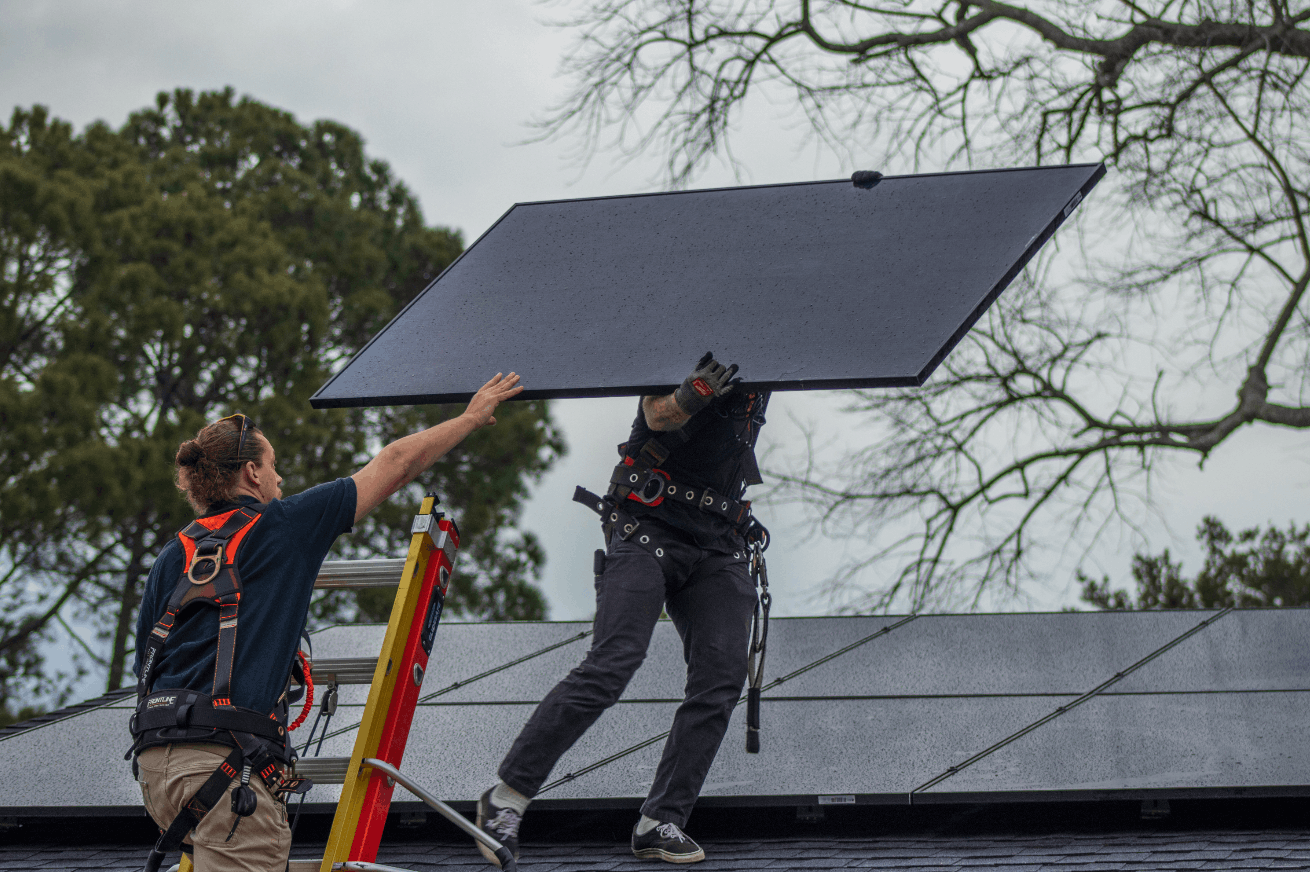
An underperforming system can be especially frustrating when the company that installed it has gone out of business or no longer services existing customers. That does not mean the array must be abandoned or replaced simply because the original installer is unavailable.
Infinity Solar Solutions states that it is expanding its services to fix and optimize existing solar installations and offers solar system repairs and electrical services from its Virginia Beach location. That creates a service path for Hampton Roads homeowners who need an existing system evaluated rather than a new-installation sales conversation.
For an older or orphaned system, the repair-first goal should be to identify what equipment is installed, determine what is still functioning correctly, and understand the actual source of the production loss before making a larger replacement decision.
Solar Performance Troubleshooting in Virginia Beach and Hampton Roads
If your solar panels are producing less power than normal, do not judge the system by one cloudy day, one app reading, or the nameplate rating. Look at the trend and ask whether the lower output persists under comparable conditions.
Infinity Solar Solutions is based in Virginia Beach and provides solar system repairs and electrical services for existing residential systems in Hampton Roads. When lower production is persistent, unexplained, or accompanied by faults, professional troubleshooting can help separate environmental variation from monitoring, electrical, inverter, or component problems.
The objective is not to replace equipment simply because production is down. It is to find the cause, understand the condition of the existing system, and make the repair decision from evidence.
Frequently Asked Questions About Solar Panels Producing Less Power
Why are my solar panels producing less power than normal?
Common explanations include weather and seasonal changes, new shading, soiling, monitoring problems, inverter or module-level electronics faults, wiring issues, storm-related changes, and gradual aging. The pattern and timing of the decline help narrow the cause.
How do I know whether low solar production is normal?
Compare the system with its own production history under similar seasonal and weather conditions. One low day is less meaningful than a persistent decline that continues through comparable clear-weather periods.
Can dirty solar panels reduce output?
Yes. Soiling can reduce the sunlight reaching photovoltaic cells, but the amount varies by site and conditions. A major or sudden decline should not automatically be blamed on dirt because electrical, inverter, monitoring, or component problems can produce similar symptoms.
Can one bad solar panel reduce the whole system’s production?
It can affect production, but the impact depends on system design. In some systems, one module-level problem is localized; in others, a fault can affect a larger electrical string or portion of the array.
Does an offline solar monitoring app mean my panels stopped working?
Not necessarily. Monitoring depends on communications and internet connectivity. Missing data can be a reporting problem, an actual production problem, or both, so the equipment status and production history should be compared.
Should I replace my solar panels if production is lower than normal?
Not before the cause is identified. Lower output can originate from components other than the panels, and many issues may be repairable without replacing the entire array.
Can Infinity Solar Solutions service a system installed by another company?
Infinity Solar Solutions states that it fixes and optimizes existing solar installations and provides solar system repairs and electrical services in Virginia Beach, giving Hampton Roads homeowners an option when an existing system needs independent troubleshooting.