
Two homeowners can have similar solar symptoms and receive different repair scopes because the price is shaped by more than the name of the failed component. The most important cost factors are the amount of troubleshooting required, what part actually failed, how difficult it is to access, and whether the existing equipment can be repaired or replaced compatibly.
1. Whether the Cause Is Already Known
A confirmed failed component creates a different service scope from an unexplained production problem. When the cause is unknown, diagnostic work may be required before repair pricing can be finalized. Infinity Solar Solutions estimates diagnostics at $350–$500*.
2. The Component Involved
Different parts have different labor and equipment requirements. For example, minor panel repair is estimated at $350–$450*, panel replacement at $550–$650*, inverter repair at $350–$400*, inverter replacement at $500–$600*, and combiner box repair at $500–$600*.
3. Roof and Equipment Accessibility
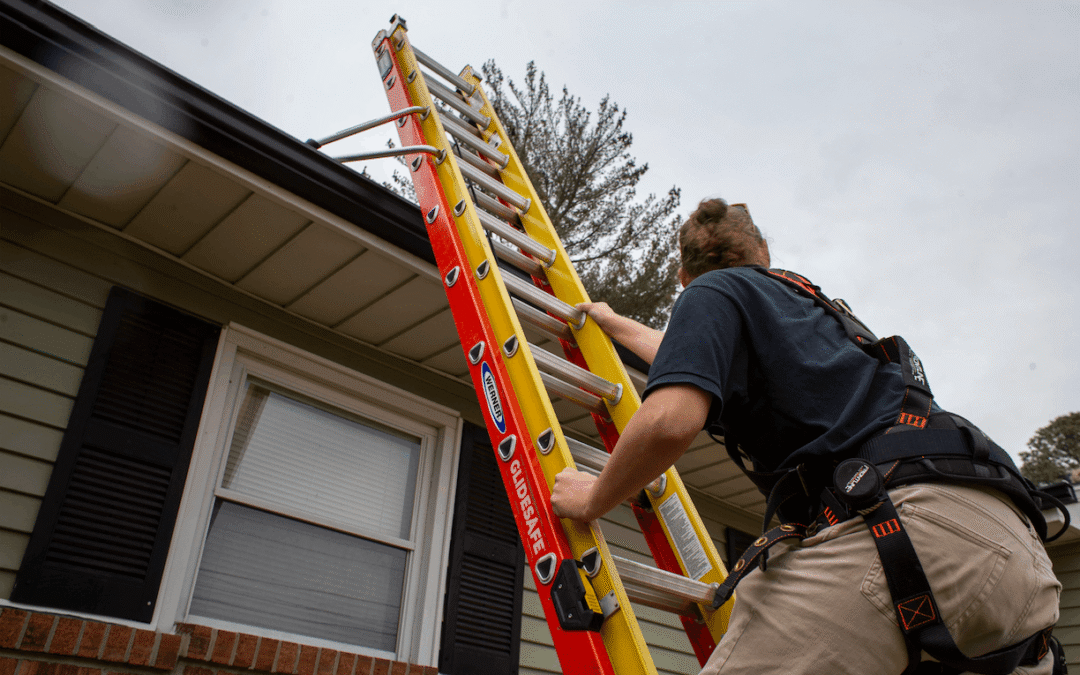
Access can change the labor involved even when the replacement part is identical. A component mounted under a rooftop module may require temporary module handling, while accessible electrical equipment can involve a different work sequence. Roof geometry and safe working access are legitimate scope considerations, but the contractor should explain how they affect the proposed work rather than relying on a vague access surcharge.
A wall-mounted inverter can present a different labor requirement from a microinverter or optimizer beneath a rooftop module. Roof height, array layout, equipment location, and the steps required to safely reach the affected component can influence the work involved.
4. How Many Components Are Affected
One failed optimizer is a different scope from several failed module-level devices. Infinity Solar Solutions estimates optimizer replacement at $350 + $60 per optimizer* and microinverter replacement at $350 + $60 per unit*, so the number of affected units directly changes the planning total.
To understand how these components differ, see our guides to solar optimizers and microinverters.
5. Equipment Compatibility and Availability
An older array may use modules or electronics that are no longer sold in the same configuration. Identifying an electrically and physically suitable part can take more effort than ordering a current replacement. Availability may affect scheduling as well as price, and it is reasonable to ask whether a quoted part is confirmed compatible or still being researched.
Older systems may use panels, inverters, optimizers, microinverters, connectors, or communications equipment that are no longer current. Finding a compatible replacement can require additional research or change the practical repair path.
6. Electrical Scope
A simple component swap is different from tracing damaged wiring, locating an intermittent fault, correcting multiple connections, or addressing electrical damage across more than one circuit. Wiring and electrical repairs are estimated at $350–$1,000* because the scope can vary substantially.
7. Whether Roof Work Is Part of the Project
If a solar issue is connected to roof replacement or requires panels to be removed for another project, removal and reinstall becomes a separate scope. Infinity Solar Solutions estimates removal and reinstall for roof replacement at $275 per panel*.
8. Warranty or Manufacturer Support
A manufacturer warranty may apply to certain equipment defects, but warranty eligibility does not automatically cover diagnosis, labor, shipping, removal, or reinstall work. The actual terms and claim process determine what is covered. A useful estimate separates possible manufacturer coverage from costs the homeowner may still be responsible for.
Warranty coverage, manufacturer procedures, and available support can affect which parts are supplied and what labor remains outside coverage. Homeowners should avoid assuming that a warranty automatically covers every service cost.
Why a Price Range Is More Honest Than One Universal Number
A fixed "solar repair price" would hide the differences between a communication issue, a damaged panel, an inverter failure, an electrical fault, and a rooftop module-level repair. Planning ranges are useful for budgeting; the final scope should follow the actual condition of the existing system.
For a broader breakdown of service pricing, see our solar panel repair and maintenance cost guide.
How the Same Panel Symptom Can Produce Different Bills
Imagine two homeowners whose monitoring shows one panel position underperforming. On the first system, testing identifies a straightforward module-level component issue with good roof access and a compatible part available. On the second, the same symptom requires additional diagnostics, difficult roof access, and compatibility research for discontinued equipment. The visible symptom is similar; the labor and repair scope are not. That is why symptom-based price quotes can be misleading.
Parts Price Is Only One Piece of the Total
Homeowners often expect the failed component to determine most of the bill. In solar repair, reaching the component, proving that it is the cause, safely removing adjacent equipment, sourcing a compatible replacement, and verifying operation afterward can matter just as much. A relatively inexpensive device can still require meaningful labor if it is beneath a rooftop module or part of a difficult-to-isolate electrical fault.
What Information Helps Produce a Better Estimate
When requesting service, provide the inverter or equipment brand if known, screenshots or error codes, the age of the system, a short description of what changed, and whether the problem followed roof work or severe weather. That information may not produce a final quote without evaluation, but it helps distinguish a clearly defined component replacement from an open-ended diagnostic problem.
Frequently Asked Questions
Does the age of my solar system automatically make repairs more expensive?
Not automatically. Age matters mainly when it affects condition, compatibility, parts availability, monitoring access, or the amount of troubleshooting required.
Why do diagnostics cost extra?
Diagnostics are the work required to identify the cause when the failed component is not already known. They help prevent repair decisions based only on symptoms.
Does roof access affect solar repair cost?
It can. Repairs beneath modules can require different access and labor than equipment mounted at ground level.
Pricing Disclaimer
*Pricing is provided for general planning purposes only and is not a quote or guarantee. Actual pricing depends on the specific system, equipment, condition, accessibility, labor, parts availability, warranty coverage, electrical scope, roof conditions, and other project factors. A system evaluation may be required before Infinity Solar Solutions can confirm the appropriate repair or project scope and final price.