
If your solar system suddenly stops producing—or your monitoring app shows zero or unusually low output—it’s more than frustrating. It raises immediate questions: Is something broken? Am I losing money? Do I need a full replacement?
In many cases, the answer is simpler (and less expensive) than it first appears. Infinity Solar Solutions specializes in diagnosing and repairing broken solar systems for homeowners across Virginia Beach and the greater Hampton Roads area, including systems installed by other companies. We don’t just sell new solar—we troubleshoot existing equipment, restore monitoring, and help homeowners understand what’s really happening when solar performance drops or stops.
This guide walks you through how to narrow down the issue, what you can safely check yourself, and when it’s time to bring in a repair-focused professional.
Start with safety and a quick reality check
Before anything else, remember: your solar system is a live electrical system. That means:
- Don’t open equipment.
- Don’t remove covers.
- Don’t attempt internal troubleshooting.
Your role as a homeowner is to observe and gather clues, not to work inside electrical components.
A few simple questions can help frame what might be going on:
- Have you added major new electrical loads (EV charger, pool pump, new HVAC system)?
- Has there been recent roof, electrical, or internet/router work?
- Did a storm or severe coastal weather recently pass through and affect the roof or array?
- Have you noticed higher overall household usage?
These questions help distinguish between a true production issue, a monitoring or communication problem, and higher energy usage that makes the system feel less effective.
Step 1: Check your utility bills first
Your electric bill often tells the story before your app does. One of the easiest ways to spot a problem is to compare your most recent bill to previous months or the same period last year.
Look for:
- A sudden, unexplained increase in cost.
- Reduced or missing solar credits or net metering adjustments.
- Usage that looks closer to your pre‑solar days.
When we visit homeowners in Hampton Roads, this billing change is often the first clue they noticed before calling us. A spike doesn’t automatically mean the whole system failed, but it’s a strong signal that something deserves a closer look.
Step 2: Separate monitoring issues from real production problems
A surprisingly large number of “my system isn’t working” calls turn out to be monitoring issues. In those situations, the system may still be producing power—but the app or portal isn’t reporting correctly.
Here’s what to check:
- Open your monitoring app or website and see when data last updated.
- Confirm your router and modem are powered on and working normally.
- Look near the inverter or main panel for a communication device tied to Wi‑Fi or hardwired internet.
Then connect the dots:
- Monitoring down + electric bill still looks normal → likely a communication/monitoring issue.
- Monitoring down + bill suddenly higher → likely a real production or equipment problem.
This simple distinction can save unnecessary service calls and helps you explain the situation clearly when you do reach out for help.
Step 3: Perform a safe visual check from the ground
You don’t need to climb on the roof to spot obvious problems—and you shouldn’t. A ground‑level visual inspection can reveal a lot without risking your safety.
Walk around your property and look up at the array. Watch for:
- Cracked, broken, or visibly damaged panels.
- Panels that appear shifted, lifted, or out of alignment.
- New shading from trees, nearby structures, or additions.
- Signs of recent roof work affecting the array.
- Bird, squirrel, or other critter activity near or under the panels.
In Hampton Roads, we frequently see storm‑related damage, salt‑air wear over time, and critter intrusion under panels or near wiring. Even small changes—like a new tree branch casting shade—can noticeably impact production.
Step 4: Check the inverter lights and display
Your inverter is one of the most important parts of the system—it’s the piece that converts panel output into usable power for your home and often acts as the system’s “voice.” If something is wrong, the inverter usually shows it first.
From a safe distance, you can:
- Locate the main inverter or system hardware.
- Check status lights for any changes.
- Read the display (if accessible externally) for error messages, codes, or wattage output.
Warning signs can include:
- A light that changed from solid green to red or blinking.
- Messages like “fault,” “error,” “ground fault,” “overvoltage,” or “no grid.”
- Zero wattage during bright midday sun.
You don’t need to interpret the code—that’s our job. Just document what you see. Bringing those notes to a service call significantly speeds up diagnostics.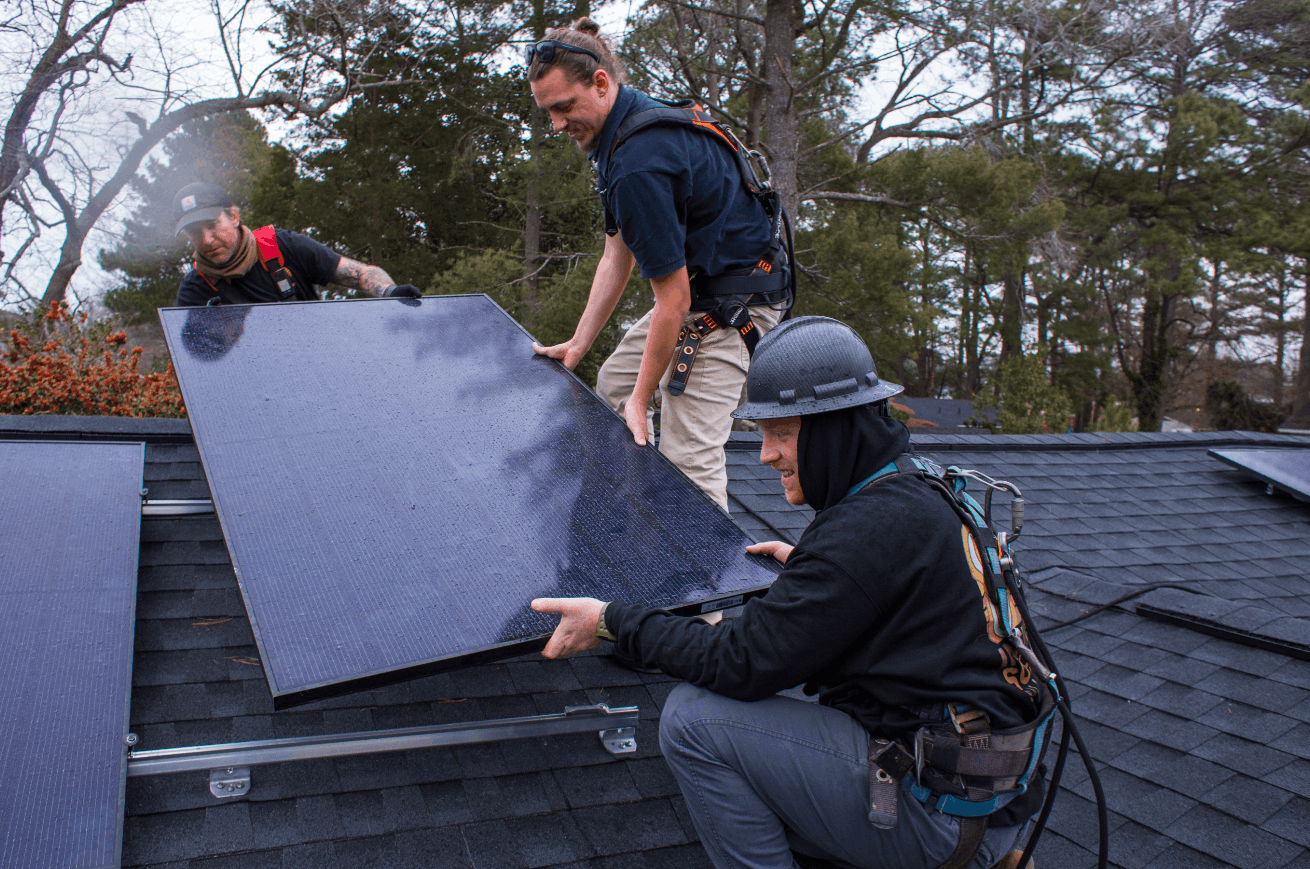
Step 5: Consider system age and installer history
The age of your system and the status of the original installer influence the best path forward.
Ask yourself:
- How old is the system?
- Which company installed it?
- Are they still in business and willing to service existing systems?
In Hampton Roads, many homeowners are now dealing with installers that have gone out of business, stopped servicing past customers, or refuse to touch systems they did not install. Infinity Solar Solutions was built to help in exactly that situation—diagnosing and repairing systems installed by other companies, restoring monitoring, and handling removal/reinstall for roof projects when the original installer is no longer available.
Step 6: Identify the right type of service
Once you’ve gathered basic information, the right next step usually falls into one of a few categories.
Diagnostics visit
Best when: you know something’s wrong, but you don’t know what or why.
A diagnostics visit includes a full system inspection, component testing, performance review, and root‑cause identification. This is often the smartest first step when monitoring is down and bills have changed.
Targeted repair
Best when: the issue is clear, such as a damaged panel, an inverter fault, wiring issue, or failed communication hardware.
Here the focus is on restoring normal operation quickly, without unnecessary upgrades. In many Hampton Roads homes, we find that a single failing piece of equipment—not the entire system—is responsible for dropped production.
Removal and reinstall
Best when:
- Roofers need panels removed for roof replacement.
- The array needs to be reconfigured because of unsafe or poor existing work.
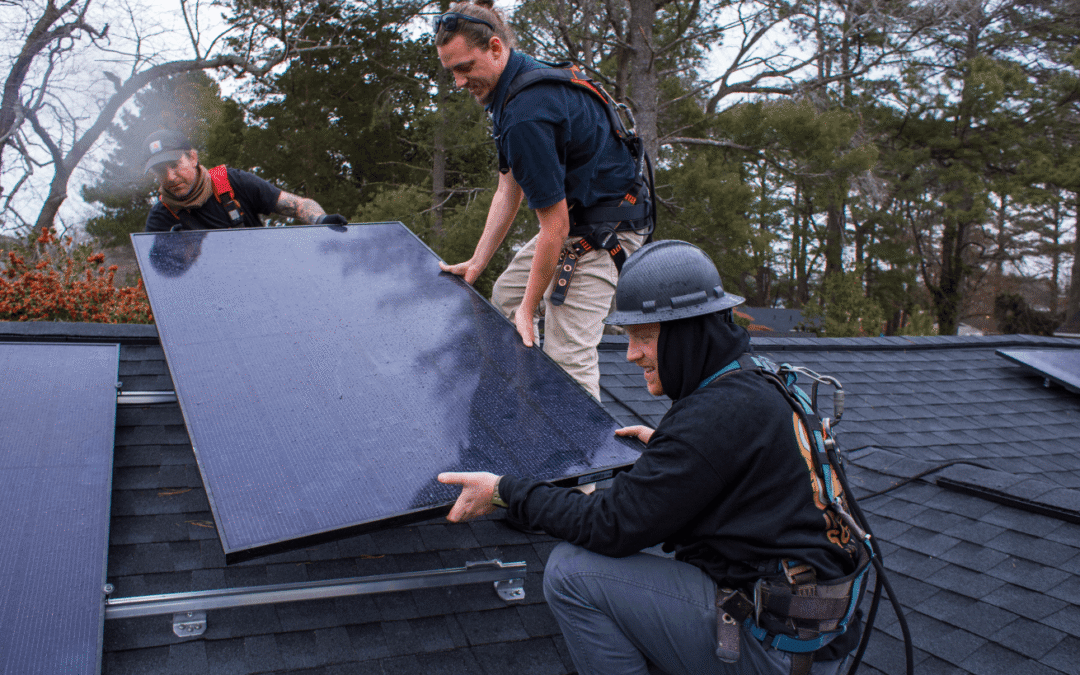
Infinity Solar Solutions frequently partners with roofing contractors to safely detach solar arrays, coordinate roof projects, and then reinstall, test, and recommission systems afterward. That’s especially important in coastal areas where roofs face more wear and tear over time.
Not every issue requires replacement. In fact, many systems can be restored at a fraction of the cost of starting over, which is why we lean heavily toward repair‑first recommendations whenever that’s practical and safe.
Step 7: Work with a solar service specialist—not just an installer
Here’s a common frustration we hear in Hampton Roads: many solar companies focus on selling new systems, not fixing existing ones. That can lead to homeowners being told, “You need a new system,” when a repair or targeted upgrade would have solved the problem.
A true service‑focused company prioritizes:
- Diagnostics before sales.
- Repair before replacement whenever reasonable.
- Long‑term system performance and support.
Infinity Solar Solutions is built around residential solar repair, troubleshooting, diagnostics, monitoring support, inverter replacement, panel repair, and removal/reinstall—not just new installations. That matters when your system stops producing and you need answers, not a high‑pressure sales pitch.
Step 8: Prepare before you call
A little preparation makes your service visit faster and more effective. Before you call or schedule an appointment, gather:
- Recent and past utility bills.
- Any installation documents or proposals you still have.
- Monitoring login information (app or portal).
- Photos of the array, inverter, and electrical panel from a safe distance.
- Notes about when the issue started and any recent work on the home (roofing, electrical, internet changes).
When we combine that information with in‑person diagnostics and testing, we can usually get to the root cause faster and with less guesswork.
Step 9: Make decisions based on data—not pressure
When a solar system stops producing, it’s easy to feel urgent and vulnerable. That’s exactly when some companies push full replacement, even if a targeted repair would work.
A better approach is to:
- Fix monitoring or communication issues if that’s the only problem.
- Repair or replace the failed component if the rest of the system is sound.
- Consider a larger upgrade only if the system is older, out of warranty, or has deeper structural problems.
Solar is a long‑term investment. Your decisions should be based on diagnostics, safety, and performance data—not fear or sales pressure.
Step 10: Protect performance long term
Once your system is producing properly again, a few ongoing habits help keep it that way.
Smart steps include:
- Checking monitoring regularly so you notice changes early.
- Keeping equipment records, warranties, and photos organized in one place.
- Scheduling occasional system “health checks,” especially after major storms or roof work.
- Building a relationship with one local service partner you trust for ongoing support.
At Infinity Solar Solutions, we see solar as a long‑term asset, not a one‑time project. Our goal is to help homeowners keep that asset producing, protected, and supported—even when the original installer is no longer there.
When to call a professional
You should contact a solar troubleshooting specialist if:
- Your monitoring app shows zero or sharply reduced production.
- Your electric bill jumps and you can’t explain why.
- Your inverter shows warning lights or error codes.
- Your original installer is out of business, unresponsive, or no longer services your system.
- Your roofer needs panels removed and reinstalled for roof work.
- You inherited a system and don’t know its current condition.
If your solar system in Hampton Roads is not producing power, you’re not stuck—and you don’t have to guess. With professional diagnostics, honest recommendations, and targeted repairs, Infinity Solar Solutions can help you understand the problem, restore performance, and protect the value of your solar investment.