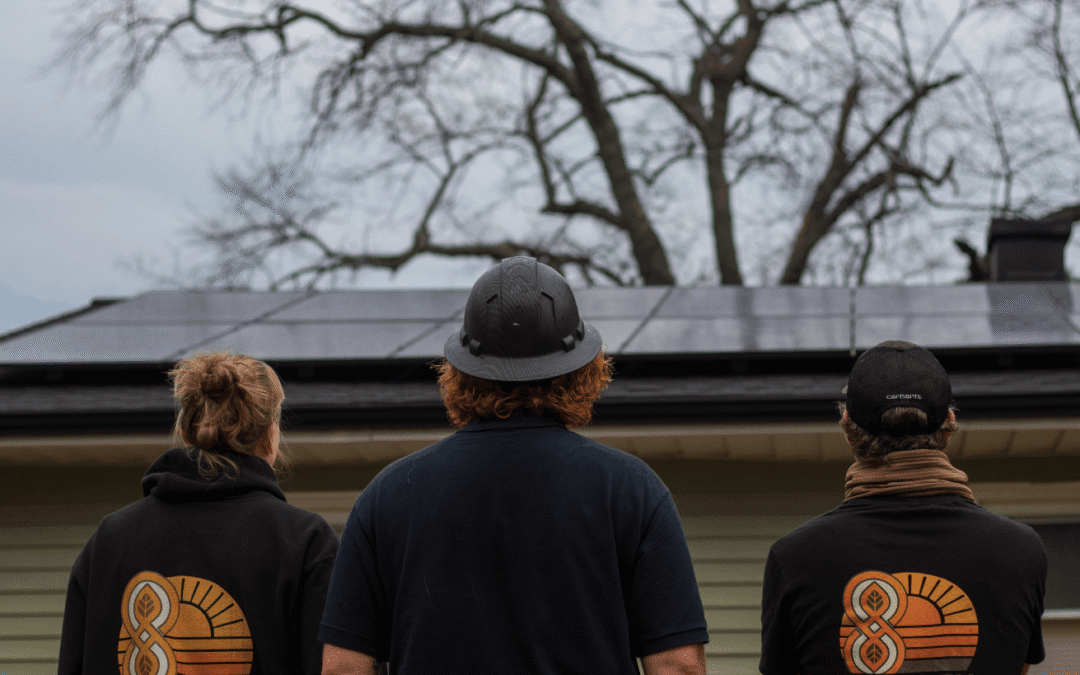
If your home just went through a strong storm in Hampton Roads, it’s normal to look at your solar panel system and wonder whether it made it through intact. Even when the solar panels look fine from the ground, storm damage can still affect wiring, mounting hardware, inverters, monitoring equipment, roof attachment points, and overall performance.
That uncertainty is what makes post‑storm solar panel issues so frustrating. Homeowners are often left asking the same questions: Did anything get damaged? Is the system still safe? Should I wait and see, or call someone right away? Infinity Solar Solutions helps homeowners across Virginia Beach and Hampton Roads answer those questions with practical diagnostics, repair‑first recommendations, and support for solar panel systems installed by other companies.
Start with safety—not production
After a storm, your priority isn’t energy output. It’s safety. A solar panel system is a live electrical system, and damaged equipment, exposed wiring, loose panels, or water intrusion can create real hazards if they’re not handled correctly.
That means:
- Stay off the roof.
- Don’t open inverter panels or electrical boxes.
- Don’t touch exposed wiring or damaged conduit.
- Keep your inspection strictly ground‑level.
Call for service immediately if you see:
- Hanging wires or loose conduit.
- Burn marks or scorching on equipment.
- Flooding or standing water near the inverter or combiner boxes.
- Panels that look lifted, shifted, or out of place.
If something looks off, trust that instinct and stop investigating. Hidden faults can worsen if a compromised system is re‑energized before it’s properly inspected and repaired.
What storms actually damage (it’s more than panels)
Most homeowners think “storm damage” means cracked solar panels. That can happen, but the impact often goes much deeper.
Storms in Hampton Roads can affect:
- Mounting systems (rails, clamps, attachments).
- Wiring and conduit runs.
- Connectors and communication lines.
- Inverter electronics and junction points.
- Roof penetrations, flashing, and seals around mounting hardware.
With coastal conditions—wind, driving rain, salt air, humidity, and occasional flooding—even systems that look intact from the ground can develop issues over time. That’s why a quick visual check is helpful, but not always the full story.
Step 1: Do a ground‑level visual check
You’re not trying to diagnose the entire solar panel system—you’re scanning for warning signs. From the ground, look for:
- Solar panels that appear cracked, crooked, lifted, or misaligned.
- Bent rails or shifted mounting hardware.
- Debris caught under or around the array.
- Hanging cables, loose conduit, or exposed wiring.
- Roof damage near solar attachment points.
If you have binoculars, use them to inspect more closely without creating risk. Taking photos—even if you’re unsure what you’re seeing—can be valuable later for diagnostics and potential insurance claims.
Step 2: Check the inverter and monitoring
Next, let the system tell you what’s happening. The inverter and solar panel monitoring platform often reveal problems that aren’t obvious from outside.
Check for:
- Red, yellow, or blinking inverter lights instead of solid green.
- Error codes or fault messages on the inverter display.
- Monitoring apps showing zero production, flatlined data, or unusual drops.
- Production graphs that don’t recover after the storm passes.
One of the most common things homeowners miss is that a solar panel system can look normal from the ground while still showing clear fault behavior electronically. A blank app, repeated inverter warning, or sudden production loss is often the first sign that the storm affected something deeper.
Step 3: Watch for water‑related issues
Storm damage isn’t always impact damage—water can cause just as many problems. Heavy rain, wind‑driven moisture, and pooling water can affect:
- Inverters and electrical equipment.
- Conduit, junction boxes, and wiring.
- Roof penetrations and areas around the array.
Warning signs include:
- Water or mud lines near the inverter or electrical components.
- Moisture where it shouldn’t be around equipment.
- Repeated inverter faults that correlate with rain.
- Signs of roof leakage or staining near the array area.
In coastal areas like Hampton Roads, salt exposure, humidity, and repeated storm cycles can make moisture‑related issues more serious over time, even if the first symptoms seem minor.
Step 4: Look for subtle movement
High winds can shift more than glass. Storms can loosen clamps, move mounting hardware, disturb rails, or leave modules slightly out of place.
From the ground, subtle movement might look like:
- A solar panel sitting slightly higher or lower than its neighbors.
- Rails that don’t appear straight.
- Gaps or uneven spacing that weren’t there before.
Even small shifts can point to structural movement that deserves inspection—especially on older roofs or mounting systems. Don’t try to adjust anything yourself. Document what you see and have the system inspected professionally.
Step 5: Pay attention to debris impact
Branches, shingles, and airborne debris can damage solar equipment in ways that are easy to overlook. Broken glass is an obvious sign, but less visible issues can include:
- Microcracks in panels.
- Frame or backsheet damage.
- Loosened clamps or fasteners.
- Long‑term performance degradation from impact stress.
If limbs, roofing material, or other debris hit the array area during the storm, note where it struck—even if nothing appears shattered. We often use the path of debris as part of the diagnostic story, because damage doesn’t always show up in one obvious spot.
What not to do after a storm
There are a few common mistakes homeowners should avoid after severe weather:
- Don’t climb on the roof to inspect solar panels.
- Don’t open inverter covers, disconnects, or electrical boxes.
- Don’t touch exposed wires or damaged conduit.
- Don’t assume “it’s fine” just because panels look intact.
- Don’t restart or re‑energize damaged systems before inspection.
Re‑energizing a compromised solar panel system can worsen damage or create safety risks, which is why storm‑damage guidance recommends structural and electrical checks before bringing a system back online.
When the system still “kind of works”
One of the most misleading scenarios is when the system appears to work—but not quite right. You might see:
- Partial production instead of normal output.
- Inconsistent performance from one day to the next.
- One section of the array underperforming.
- Intermittent faults that come and go.
That doesn’t mean everything is okay. Storm damage often causes degradation, not total failure, which is harder to spot without proper diagnostics. From a homeowner perspective, this is often the most confusing outcome because nothing looks obviously broken, but the system no longer behaves the way it should.
How Infinity Solar Solutions approaches storm‑related issues
When homeowners call Infinity Solar Solutions after a storm, the goal isn’t just to “check solar panels.” The goal is to answer three critical questions:
- Is the system safe?
- Is it producing correctly?
- What actually changed during or after the storm?
A proper post‑storm service visit may include:
- Visual inspection of solar panels, rails, clamps, and roof‑adjacent components.
- Review of inverter behavior, warning lights, and fault codes.
- Monitoring and production analysis before and after the storm.
- Inspection of wiring, conduit, and communication paths.
- Identification of water‑related issues, loose components, or impact damage.
- A repair plan based on actual findings, not assumptions.
Infinity Solar's repair‑first approach matters because most homeowners aren’t shopping for a new solar system after a storm—they’re trying to understand whether the one they already own can be inspected, repaired, recommissioned, and trusted again.
When you should call right away
Some situations should be treated as urgent. You should call promptly if:
- A solar panel is visibly cracked, lifted, or out of place.
- You see exposed wiring, damaged conduit, or loose electrical components.
- The inverter shows repeated fault lights or error messages.
- Flooding or heavy moisture affected the inverter or electrical area.
- Debris struck the array or roof near the solar equipment.
- Solar panel monitoring shows major production loss or flatlined data after the storm.
Even if the damage seems small, early inspection can prevent bigger issues later. Small structural movement, moisture intrusion, or wiring damage can become more expensive if ignored.
Insurance and documentation tips
If you suspect storm damage, documentation will help both repairs and any insurance process. Helpful steps include:
- Taking clear photos from the ground of panels, rails, and equipment.
- Noting the date and approximate time of the storm.
- Saving screenshots of monitoring data before and after the event.
- Keeping records of visible changes and any error messages.
Storm‑damage guidance also recommends reporting significant damage to your insurer promptly and keeping professional findings, photos, and any damaged parts when available. Not every post‑storm issue becomes an insurance claim, but good documentation gives you more options if it does.
Why local experience matters in Hampton Roads
Storm‑related solar panel issues are not the same everywhere. In Hampton Roads, systems face coastal wind events, salt exposure, high humidity, driving rain, aging roofs, and installations completed by different contractors over many years.
Infinity Solar Solutions is built around residential solar panel repair, diagnostics, monitoring issues, inverter problems, and removal/reinstall work for existing systems—including systems installed by other companies. That combination of repair experience and local context makes a difference when homeowners need answers after severe weather.
When to call Infinity Solar Solutions
You should contact Infinity Solar Solutions if:
- Your solar panel system went through a major storm and you’re not sure whether it’s safe.
- You see physical changes to panels, rails, wiring, or roof‑adjacent equipment.
- Your inverter is showing warning lights or fault codes.
- Your monitoring app shows zero production, flatlined data, or unusual drops after the storm.
- Your original installer is unavailable, and you need a local team to inspect and repair the system.
If your solar panel system may have storm damage, you don’t have to guess from the ground. Infinity Solar Solutions helps Hampton Roads homeowners identify what changed, determine whether the system is safe, and make the right repair decisions before a smaller problem turns into a larger one.