
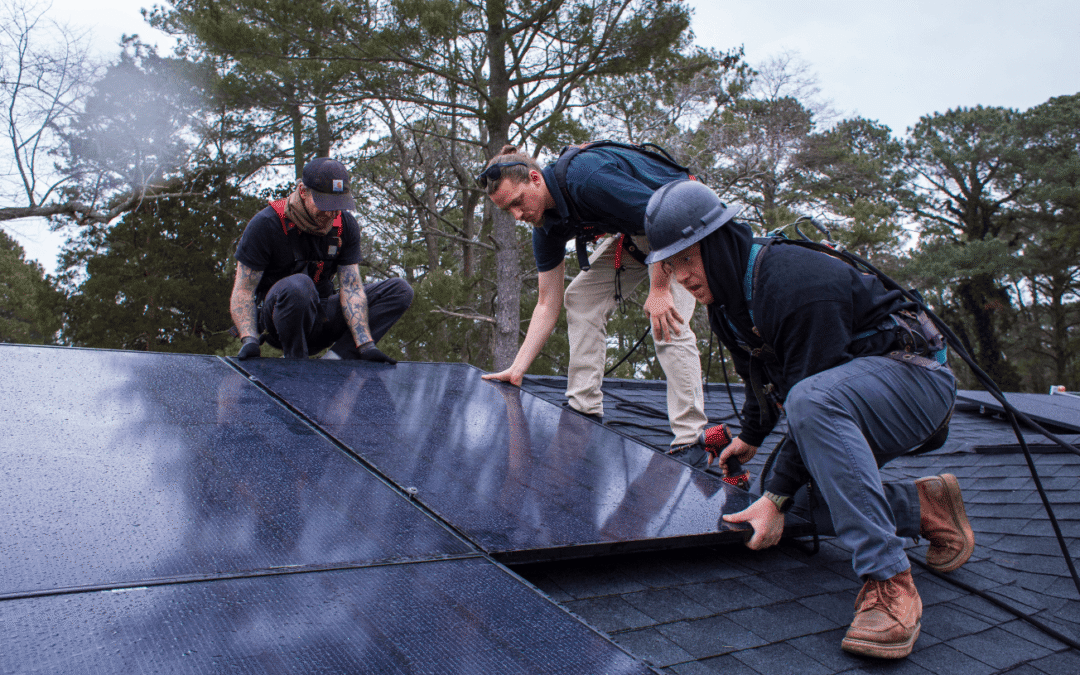
If your solar panel system is underperforming, physically damaged, or showing warning signs, one of the first questions that comes up is whether it makes more sense to repair the problem or replace part of the system. For most homeowners, that decision feels bigger than it sounds. You are not just comparing equipment—you are trying to protect a long-term investment without spending money in the wrong place.
It sounds simple, but the decision has real financial consequences. Choose wrong, and you could either overspend on replacement or spend money on short-term fixes that do not last. That is exactly why the decision should begin with diagnostics, not assumptions.
Infinity Solar Solutions helps homeowners in Virginia Beach and across Hampton Roads figure out whether a solar panel issue can be repaired, whether a component should be replaced, or whether a larger update makes more sense. The goal is not to push replacement. The goal is to understand what failed, what still works, and what path gives the homeowner the best long-term outcome.
Why this decision is not as simple as it sounds
A lot of homeowners assume solar panel problems fall into one of two extremes: either the system just needs a small fix, or the whole thing is worn out. In reality, most problems fall somewhere in the middle.
This question often comes up after:
- Storm damage or high winds.
- Cracked or visibly damaged panels.
- Long-term underperformance.
- Inverter and monitoring issues.
- Roof replacement projects.
- Aging systems with one or two failing components.
The challenge is not just fixing the issue. It is choosing the most cost-effective path forward without guessing. In practice, that usually comes down to a few core factors: how severe the damage is, how old the system is, whether the problem is isolated or widespread, whether parts are still available, and whether repair meaningfully restores performance.
Solar Panel Repair is often the right first option
One of the biggest misconceptions homeowners have is that visible trouble means replacement must be the answer. In many cases, repair is the smarter first move—especially when the issue is limited to one part of an otherwise healthy system.
Repair usually makes more sense when:
- The system is relatively young.
- The issue is isolated to one or a few components.
- The rest of the system is performing normally.
- Solar panel repair costs are clearly lower than replacement.
- There is a realistic path to restoring performance.
Homeowners are often relieved to hear this, because many “solar panel problems” are not actually panel failures at all. In many homes, the real issue turns out to be a failed microinverter, a bad optimizer, damaged wiring, or a monitoring problem—not the panel itself. That is one reason Infinity Solar stays repair-first: if one failed component is dragging down an otherwise workable system, replacing the entire array may be unnecessary.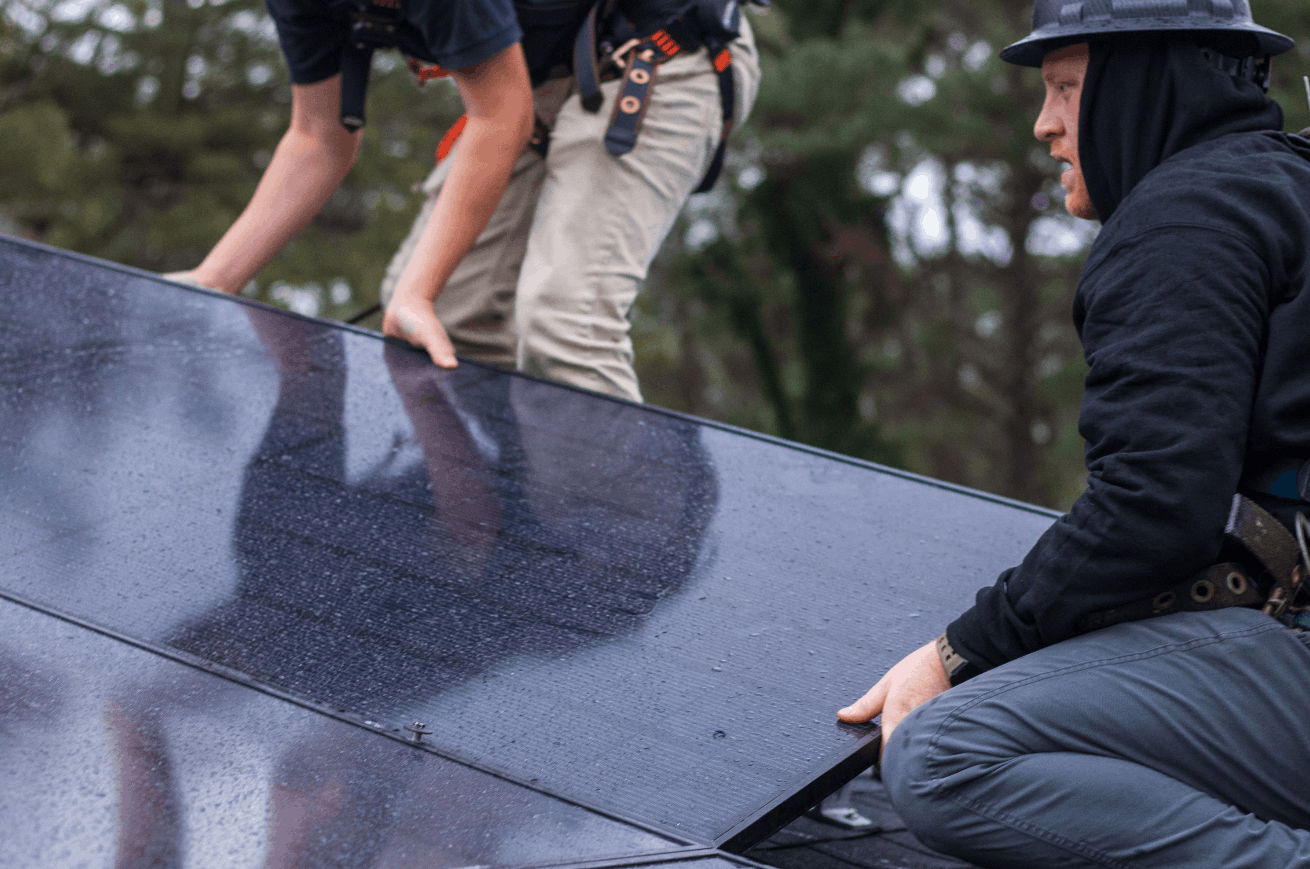
When replacement starts to make more sense
There are also times when replacement is the better decision, and homeowners deserve honesty about that too. If the damage is severe, repeated, or tied to broader system aging, solar panel repair can become a temporary fix instead of a smart long-term decision.
Replacement may make more sense when:
- Solar panels have severe breakage, delamination, water intrusion, or twisted frames.
- Multiple modules are damaged or failing at the same time.
- The system is approaching or beyond 20 to 25 years of age.
- Repair costs are approaching replacement value.
- The equipment is outdated, unsupported, or no longer practical to source.
- Performance loss is widespread, not isolated.
That does not always mean replacing the entire system. Sometimes the right answer is one solar panel, one inverter, or one section of the array. But when the broader pattern shows repeated failures, widespread degradation, or equipment near the end of its useful life, replacement becomes easier to justify.
Most “solar panel problems” are really system problems
One of the most important parts of this conversation is understanding that “solar panel repair vs replacement” is often shorthand for a larger system question. A homeowner may assume the panel is the issue because output is low, but in many cases the root cause is somewhere else.
Common causes of low production include:
- Inverter malfunction.
- Failed optimizer or microinverter.
- Wiring or connection issues.
- Monitoring failures.
- New shading from trees or structures.
- Roof-related disruptions.
Replacing panels without proper diagnostics can mean replacing the wrong thing entirely. That is why Infinity Solar starts with a full system evaluation, not a visual guess. A good repair-versus-replacement decision only happens when you know which part actually failed and how that failure affects the system as a whole.
What Infinity Solar evaluates before recommending either option
When Infinity evaluates a system, the question is not just whether something is broken. The real question is what kind of failure it is, how broad it is, and what the homeowner gains from each path.
That evaluation typically includes:
- System age and overall condition.
- The type and extent of the damage.
- Whether the issue is isolated or widespread.
- Monitoring and production history.
- Inverter status and electrical behavior.
- Roof condition and any upcoming roof work.
- Equipment compatibility and part availability.
- Warranty status, when known.
These are not abstract details. They directly affect the recommendation. A 10-year-old system with one damaged panel is very different from a 22-year-old solar panel system with multiple aging components and a roof replacement on the horizon.
How roof replacement changes the conversation
Roof work is one of the most common situations that shifts the repair-versus-replacement decision. If the solar has to come off anyway, homeowners naturally want to know whether that is the right time to replace older parts or simply reinstall what they already have.
Sometimes the answer is straightforward. If the array is still in good shape and performance has been stable, removal and reinstall may be the right path. In other cases, a roof project reveals aging components, outdated equipment, or performance issues that make an upgrade more sensible while the system is already down.
This is one reason Infinity handles both diagnostics and removal/reinstall work for existing systems. A roof replacement does not automatically mean a solar replacement, but it is often the right time to make a smarter and better-informed decision about the system as a whole.
Why older systems need a different conversation
Older systems deserve more nuance. Solar panels may continue producing for 25 to 30 years, but not every component in the system ages the same way. Inverters, optimizers, wiring, and monitoring equipment may need attention much earlier than the panels themselves.
That is why an older system is not automatically a “replace everything” case. Some still respond well to targeted repairs. Others reach the point where repeated fixes no longer make practical or financial sense.
The better questions are:
- Is the solar panel system still structurally sound?
- Is the production loss limited or widespread?
- Are replacement parts still practical to source?
- Will a targeted repair meaningfully extend useful life?
- Is the homeowner trying to preserve the current system or improve on it?
Those are the questions that lead to good recommendations instead of rushed decisions.
Why homeowners should be cautious about replacement-first advice
One reason this topic matters so much is that some homeowners are pushed toward replacement before anyone has done real diagnostics. That often happens when a company is structured mainly around new installations rather than service, repair, and troubleshooting.
A repair-first company approaches the decision differently. Instead of starting with “What can we sell?” the process starts with “What is actually wrong, and what is the smartest path forward?”
That difference matters for trust. A homeowner with one damaged solar panel should not be pressured into replacing an otherwise healthy system. At the same time, a homeowner with widespread damage should not be sold another temporary patch if the larger system is clearly failing. The value is in honest diagnosis and honest recommendations.
How Infinity Solar helps homeowners decide
Infinity Solar Solutions helps homeowners make this decision by slowing it down and grounding it in facts. The process usually looks like this:
- Diagnose the actual problem.
- Determine whether the issue is isolated or part of broader system aging.
- Explain what can realistically be repaired.
- Explain when solar panel replacement makes more sense and why.
- Help the homeowner choose the path that best protects safety, production, and long-term value.
That approach is especially important in Hampton Roads, where homeowners may also be dealing with storm exposure, coastal conditions, older roofs, and systems installed by companies that no longer provide service. Infinity regularly works on existing systems, including situations where the original installer is out of business or unavailable.
When to schedule a solar panel inspection
You should have your solar panel system evaluated if:
- Your system is producing less than expected.
- One or more panels appear physically damaged.
- Your inverter or monitoring suggests a deeper issue.
- You are planning a roof replacement and want to know whether to reinstall or upgrade.
- Your original solar panel installer is gone and you want a second opinion before replacing anything.
If your solar panel system is not performing the way it should, you do not have to jump straight to the biggest or most expensive option. Infinity Solar Solutions helps Hampton Roads homeowners make repair-versus-replacement decisions based on real diagnostics, honest recommendations, and what will actually make sense for the system over time.