
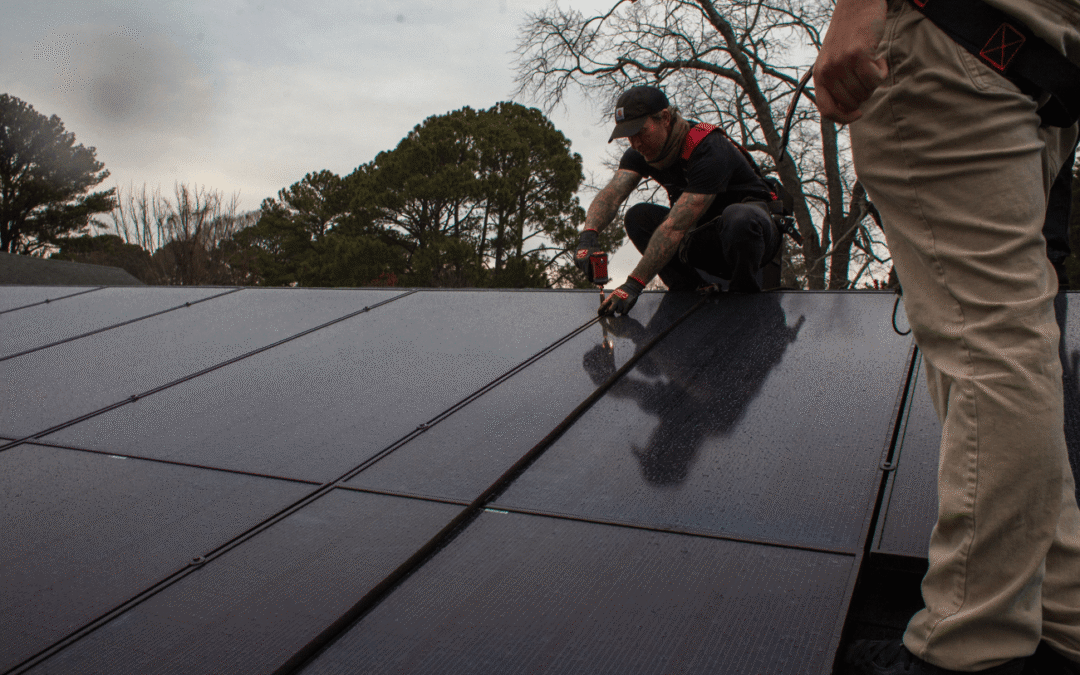
If you already have solar panels and your roof needs to be replaced, the situation can feel overwhelming fast. Homeowners in Hampton Roads often worry about who will remove the panels, whether the system will be damaged, how long the solar array will be offline, and what happens if the original installer is no longer available.
The good news is that a roof replacement does not mean starting over with solar panels. In many cases, the solar panels can be safely removed, stored during the roofing project, then reinstalled, tested, and recommissioned afterward so the system can keep producing.
Infinity Solar Solutions helps homeowners across Virginia Beach and Hampton Roads handle that process with careful removal and reinstall service that protects both the roof and the solar panel investment.
Why your solar panel system has to come off first
Your solar panel system is not being removed because it is failing—it is being removed because the roof underneath it needs full access.
Solar panels, racking, and wiring are attached to or routed through the roof surface. If they stay in place, a roofer cannot properly replace shingles, inspect decking, or fix underlying issues. Solar panel removal is not a problem; it is part of doing the job right.
In Hampton Roads, this comes up often because roofs deal with:
- Storm exposure and coastal weather.
- Aging roofs reaching end‑of‑life.
- Wind, humidity, and salt air wear over time.
Once a roof reaches the point of replacement, solar panel removal and reinstall becomes part of protecting the entire home—not just the roof.
What proper solar panel removal actually involves
Removing solar is not just “taking panels off the roof.” It is a controlled, technical process designed to protect the system so it can be restored without issues.
A professional removal typically includes:
- Full system inspection before work begins.
- Safe shutdown of the array and related equipment.
- Careful disconnection of panels, wiring, and mounting hardware.
- Labeling components for accurate reinstallation.
- Protecting and storing equipment during roofing.
Small mistakes here can turn into big problems later: miswired connections, damaged connectors, missing hardware, confusing reinstall, or production problems after the roof is done. The goal is not just to remove the system—it is to preserve it so it can go back on the roof correctly.
For homeowners, this step is usually the most nerve‑racking because the system is temporarily offline, but that pause is normal and part of doing the project safely.
What happens while your roof is being replaced
Once the solar is off the roof, the roofer can do the replacement without working around the array, which usually makes the job cleaner, safer, and more efficient.
For homeowners, this feels like the “waiting phase,” because the solar panel system is offline. That is completely normal. In fact, this stage can work in your favor:
- The roof gets a clean, proper replacement.
- The solar panel system gets a reset moment.
- Hidden issues can be identified before reinstall.
If your solar panel system had a monitoring issue, production drop, or inverter warning before the roof project, this is the perfect time to address it before everything goes back up.
How reinstall works—and why it matters most
Reinstall is not just the reverse of removal. It is a precision step that determines whether your system performs the way it should moving forward.
A strong reinstall process includes:
- Inspecting the new roof and mounting points after roofing work.
- Reinstalling racking and panels securely and in the right layout.
- Ensuring proper sealing and waterproofing around attachments.
- Reconnecting electrical and communication components correctly.
- Testing and verifying production and monitoring after the work is complete.
This is where experience matters most. A poor reinstall can lead to lower energy production, roof leaks, monitoring failures, or long‑term system issues. A repair‑focused solar panel company approaches reinstall like a system restoration—not just a rebuild.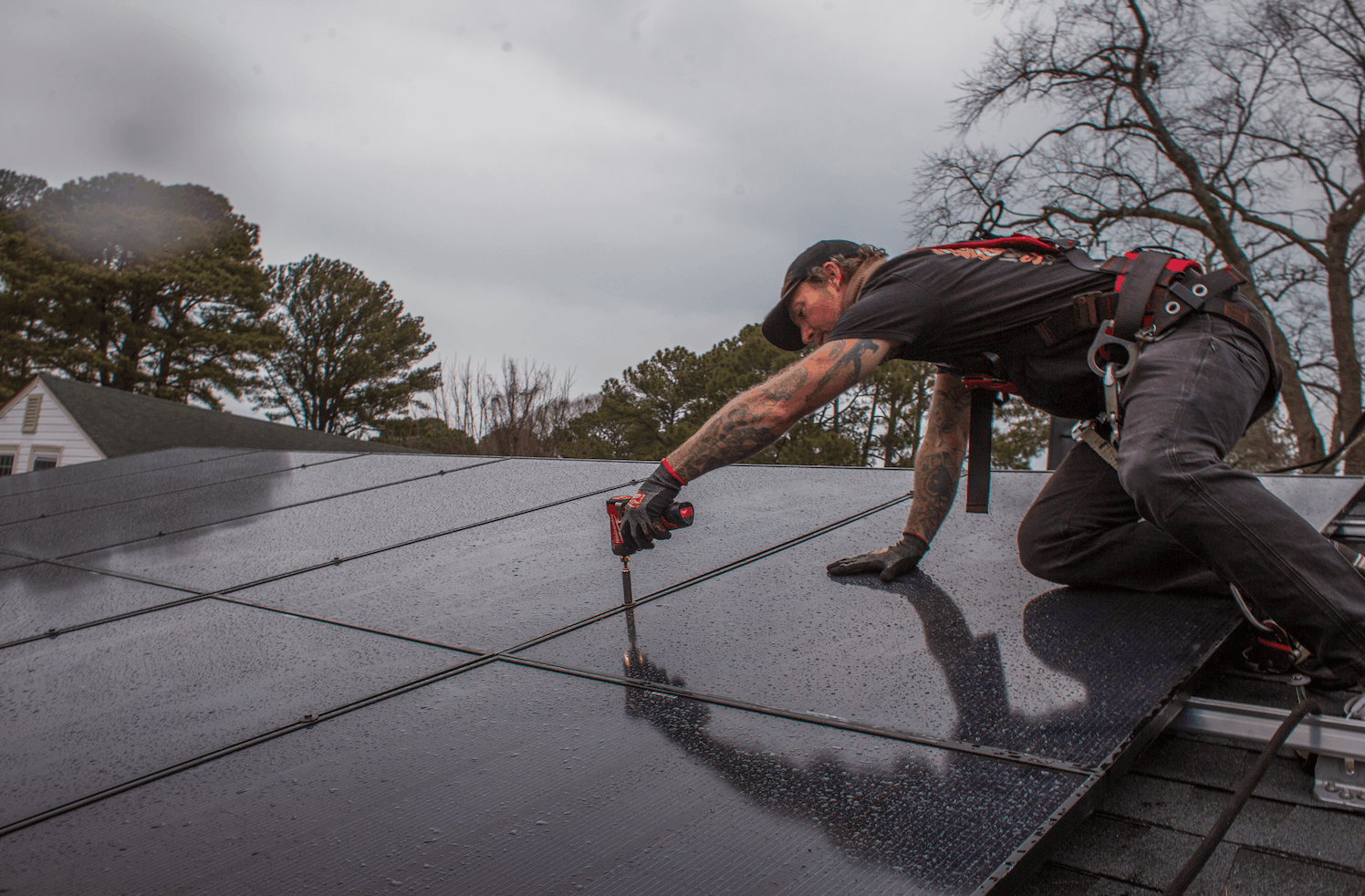
Why this is not “just a roofing project”
A roof replacement with solar panels is not only a roofing project—it is also an electrical and mechanical service event.
If no one owns both sides of the process, problems can happen:
- Delays between contractors.
- Responsibility gaps about the solar portion.
- Poor coordination and scheduling.
- System issues after reinstall because details were missed.
Roofers handle the roof. Solar panel companies handle the system. The best outcome comes when the solar panel removal and reinstall is treated as a solar panel service project running alongside the roofing project—not as an afterthought.
Common reasons homeowners need removal and reinstall
In Hampton Roads, Infinity Solar sees roof replacement with solar come up frequently due to:
- Roofs reaching end‑of‑life.
- Storm or wind damage and insurance‑driven replacements.
- Older homes needing upgrades and new roofing materials.
- Roofing contractors requiring full roof access under the array.
- Homeowners wanting their solar panel system inspected while it is down.
Increasingly, homeowners also need this service when solar was installed by companies that are no longer around, leaving them without an installer to handle removal and reinstall.
What a good solar panel partner actually does differently
The right solar partner does more than move hardware. They protect your system through the entire process.
A good removal and reinstall partner should:
- Safely remove the array without unnecessary damage.
- Coordinate clearly with the roofing contractor on timing and scope.
- Protect and document equipment during the project.
- Reinstall the system carefully after the roof is finished.
- Test the array and verify production and monitoring.
- Help restore monitoring if needed.
Infinity Solar Solutions focuses on preserving the value of the existing solar system instead of treating the roof project as a reason to start over. That repair‑first approach is often the smartest and most cost‑effective path for homeowners who already have solar and need the system handled correctly while the roof is replaced.
What you should do before the project starts
A little preparation can make the entire process smoother. Before roof work begins, it helps to gather:
- Installation paperwork, if available.
- Equipment model numbers.
- Monitoring login information.
- Photos of the array and roof layout.
- Notes about any recent production, monitoring, or inverter issues.
Most homeowners do not have perfect records, and that is okay. But anything you can provide helps ensure a faster, cleaner reinstall and can highlight issues worth addressing while the system is down.
Why local experience matters in Hampton Roads
Roof replacement with solar is not a generic process. Homes in Hampton Roads deal with coastal moisture, salt exposure, high winds, storm cycles, and faster roof aging patterns than some inland regions.
A local team understands:
- How these factors affect solar mounting, sealing, and long‑term performance.
- How to coordinate with local roofers and their typical workflows.
- How to handle solar panel systems installed by other companies, including those no longer in business.
That local experience helps prevent problems and ensures the system is restored in a way that fits regional conditions.
When it is time to schedule removal and reinstall
You do not need to overthink it. It is time to schedule removal and reinstall service if:
- You are replacing your roof and already have solar panels.
- Your roofer needs the array removed to do the job correctly.
- Your installer is unavailable or out of business.
- You want the system inspected and tested during the process.
- You want everything reinstalled and verified properly afterward.
At the end of this process, the goal is simple:
- Your roof is fully replaced and protected.
- Your solar panel system is reinstalled correctly.
- Your production is restored.
- Your investment is still doing its job.